
Transforming Corporate Standards – Part 5: Build-Down Publishing

Build-Down Publishing creates project-ready specifications by starting with the complete corporate standard and removing non-applicable requirements using defined rules. This method improves review confidence because engineers can verify what was excluded and why.
“Trust but verify.” – President Ronald Reagan
Introduction: Improving specification review confidence
Across the first four blogs in this series, we’ve shown how transforming corporate standards from static documents into structured requirements, managed in a Requirements Database Management System (RDMS), enables smarter filtering for optimized work packages, cleaner overlays, and easier knowledge transfer.
Challenge: The most common Subject Matter Expert (SME) reaction is: “Sounds great – but how do I know the published specification is complete and correct?”
That’s the right question, because the answer depends on how the system publishes.
Most platforms use Build-Up Publishing by pulling “applicable” requirements from a central library. But corporate specifications for heavy industries, such as oil and gas or chemical and specialty chemical, are different: engineers, EPCs, fabricators, and inspectors use them as work instructions so traceability for verification and quality assurance is paramount.
Need: Reviewers must be able to quickly confirm what’s included – and what was intentionally excluded – without re-reviewing the entire baseline every time. Publishing needs a different priority: review confidence.
Solution: BechtPracticesTM solves this with Build-Down Publishing. We start with the full document and then remove non-applicable content using defined rules and project inputs. The payoff is simple and critical: reviewers can see what changed, what was removed, and why.
Two ways to publish: Build-Up vs. Build-Down
There are two fundamentally different ways to create a “project-ready” specification from a requirements database:
- Build-Up Publishing
- Build-Down Publishing
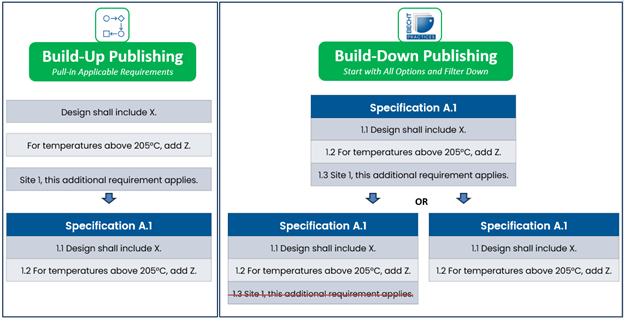
Figure 1: Build-Up vs. Build-Down Publishing – An RDMS can publish a project-ready specification in two ways
In Build-Up Publishing, the system assembles a document by selecting “applicable” requirements from a database based on tags, relationships, and queries. This approach is good at broad reuse of common requirements across many document types.
But the tradeoff is real: the document becomes an output of the system, not the familiar baseline specification engineers can audit with confidence.
Build-Down Publishing
With Build-Down Publishing, on the other hand, a system starts with the complete standard (in typical document structure) and then removes content based on rules and inputs.
This approach is optimized for:
- Optimized specifications for project delivery
- SME validation (“show me what you removed and why”)
- Third-party review efficiency (“show me what changed”)
Why Build-Up breaks down in real-world standards reviews
Build-Up Publishing creates predictable review pain in heavy industries, as shown in Table 1:
- Reviewers can’t prove completeness
- Every output feels like a “new document”
- Existing Management of Change (MOC) work processes don’t align with centrally managed re-use requirements
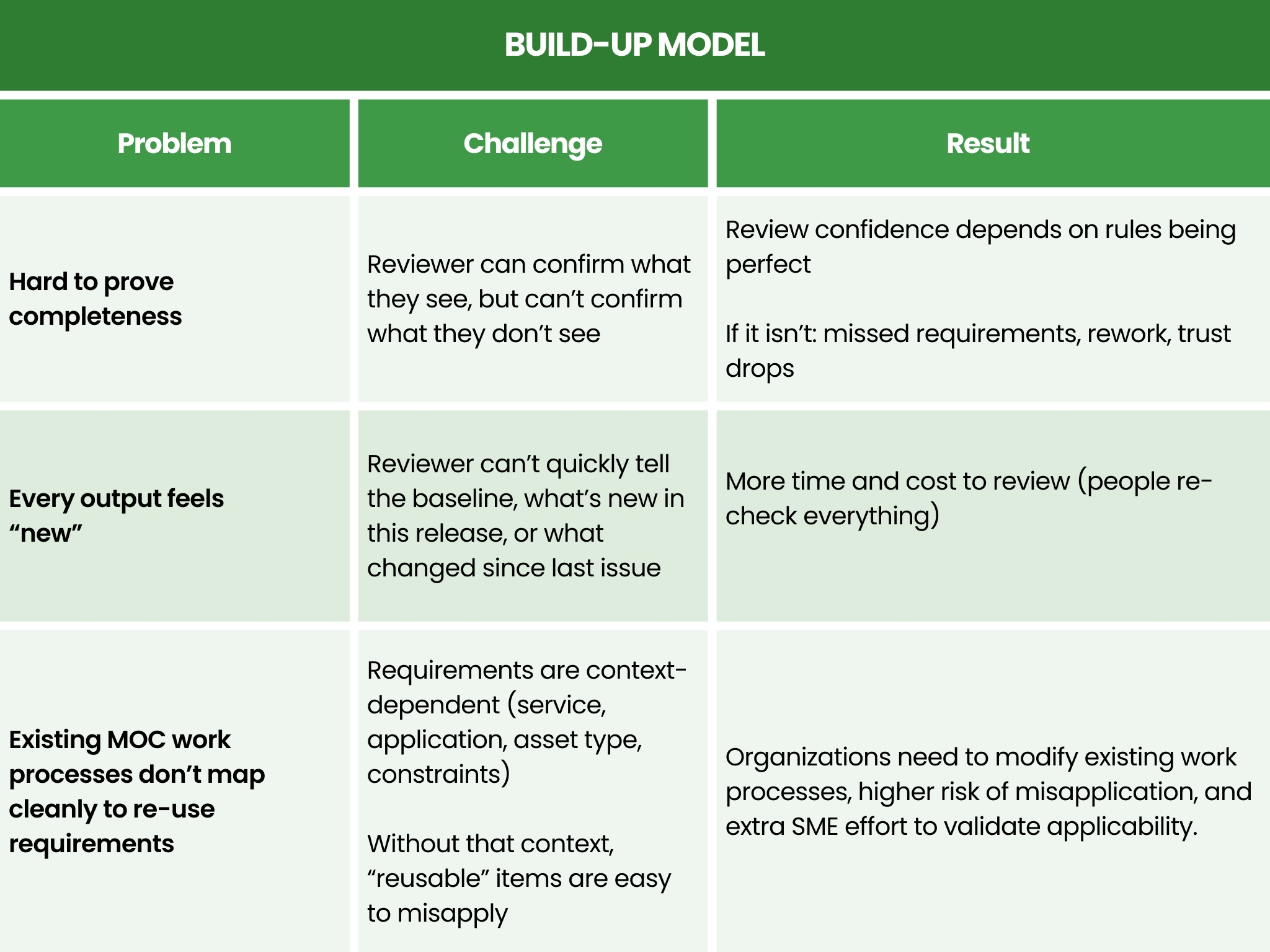
Table 1: Challenges and Results of the Build-Up Model – Reviewers spend time re-checking the specification because they can’t quickly confirm what might be missing
How Build-Down changes the review model
Build-Down flips the burden of proof. Because the system starts from the full standard, reviewers can confidently review not just what was included, but also what was intentionally excluded.
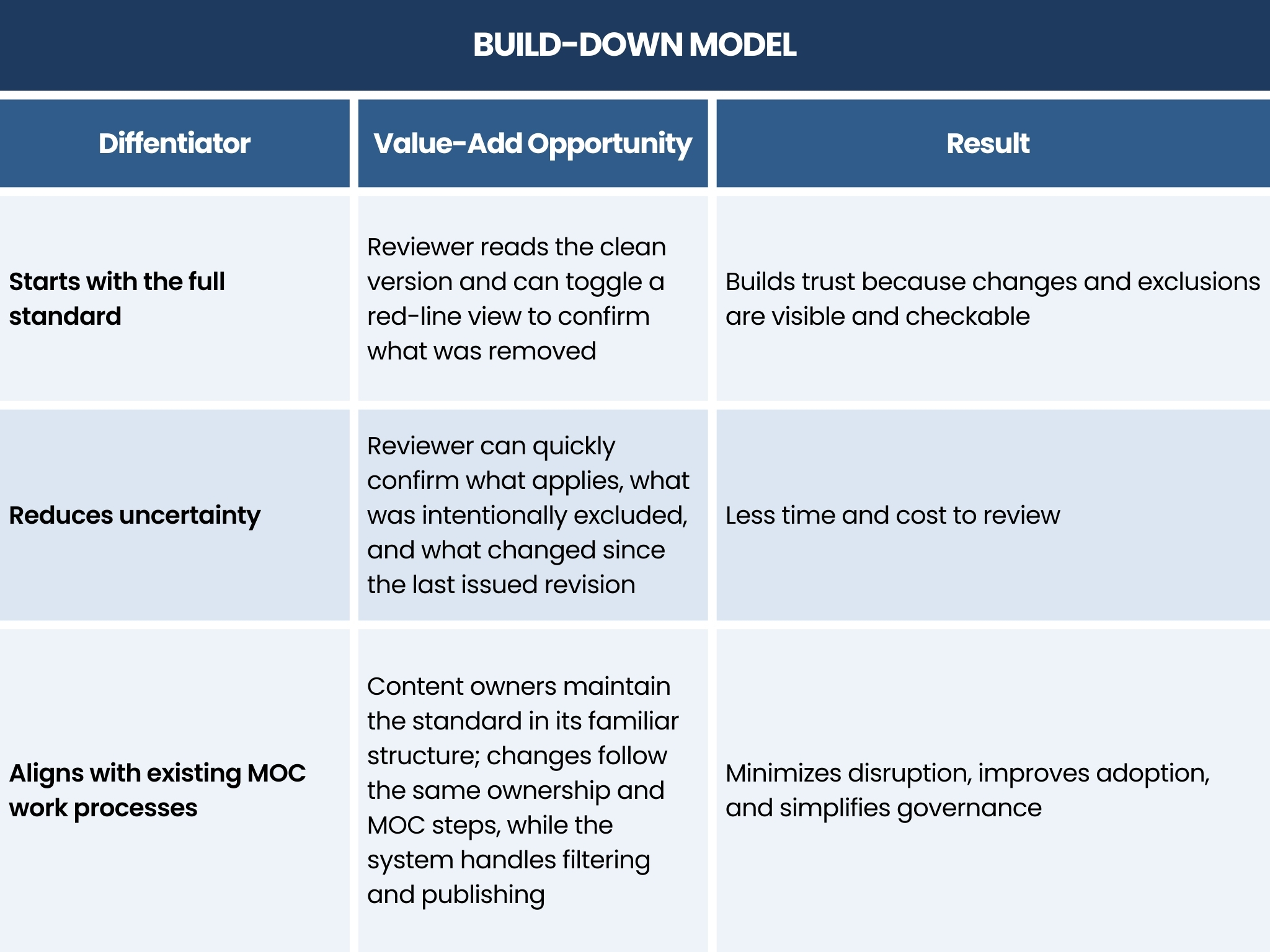
Table 2: Value Differentiators and Results of the Build-Down Model – SMEs can confirm the optimized output, which builds trust in the system while reducing review time and cost
Build-Down creates a review record by design
Because the system starts from the complete standard and removes content using explicit rules and inputs, it can always answer:
- What was removed?
- Why was it removed?
- What input or rule triggered the removal?
- What changed since last issue?
That clarity matters – especially in heavy industry environments where standards are directly tied to:
- Safety-critical decisions
- Regulatory expectations
- Inspection and testing requirements
- Multi-party contracting structures and hand-offs
When you can prove what changed and what was excluded, reviews become faster and easier to defend.
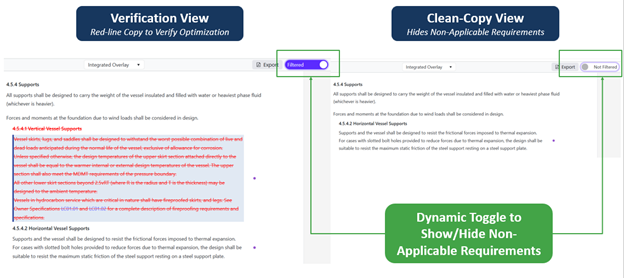
Figure 2: Dynamic Views for Verification – Dynamically toggle views between Clean Copy vs. Verification View
A user interface engineers actually want to use
A requirements system can be powerful and still fail if day-to-day work feels like database administration.
Many Build-Up platforms push authors and reviewers into workflows that can feel like:
- Jumping between objects and panes
- Editing in forms instead of context
- Managing relationships instead of writing requirements
- Losing the “document flow” SMEs rely on for comprehension
BechtPractices takes a different approach. The interface is intentionally Microsoft Word-like, with standard document structure, so engineers can:
- Read the standard in a continuous format
- Edit in context without breaking structure
- Keep numbering and layout intact
- Apply rules and metadata without turning authors into admins

Figure 3: BechtPractices Word-Like Interface – With in-line editing for context and ease-of-use
Technology only creates value if people use it. Organizations will resist adoption if the technology solves one problem but introduces new challenges.
- If SME edits are slower than Word, updates stop.
- If specifications aren’t easy to read and review, quality drops.
- If admins become the bottleneck, the database falls out of date – and trust follows.
Bottom line: implementation is most effective when the tool fits how engineers currently write, review, and own standards.
A note on reuse: “Common text” without the quality trap
There’s a popular idea in requirements platforms: write a requirement once, reuse it everywhere.
Sometimes that makes sense, especially for truly universal boilerplate verbiage such as legal disclaimers, standard definitions, or universal document control statements. But aggressive reuse of technical requirements across disciplines creates predictable governance risk and critical contextual errors.
Example: In a Build-Up Publishing system, a welding SME updates a centralized welding requirement – but that same text also appears and is re-used in separate specifications for piping, tanks, and vessels. If the SME doesn’t review every context where it appears, one well-intended edit can introduce errors elsewhere.
Our approach using Build-Down Publishing is context-first quality control:
- Reuse boilerplate where it’s genuinely universal.
- Keep technical requirements anchored to the documents where their context is clear.
- Avoid “one edit breaks five specs” surprises.
- Keep accountability clean: the right SME owns the right content in the right place.
This approach protects quality, reduces unintended consequences, and supports cleaner governance in complex standards ecosystems.
Conclusion: A better approach to corporate standards publishing
Transforming corporate standards isn’t just digitizing documents. It’s rethinking how standards are authored, filtered, reviewed, and trusted.
BechtPractices provides a modern RDMS foundation, with a key differentiator: Build-Down Publishing designed for real-world execution.
Build-Down Publishing lets SMEs and third parties:
- See what applies
- Confirm what was removed
- Identify what changed
- Review faster – without starting over every iteration
- Adopt technology without changing existing content ownership or MOC processes
When specifications are work instructions, review confidence isn’t optional. BechtPractices builds trust into every issued specification by making changes and exclusions visible, explainable, and repeatable.
Next steps
BechtPractices is more than a platform. It’s a modern solution to better manage critical organizational data that helps engineers and managers work smarter and faster.
- Follow us on LinkedIn for upcoming blogs and platform updates.
- Watch the recording of our global webinar, which includes a detailed demo of BechtPractices in action.
- Request a live demo tailored to your organization’s needs by contacting Jeannie Lewis or Matt Hansen.
- Learn more about BechtPractices on our overview webpage.
Let BechtPractices help you unlock better performance, improved compliance, and stronger project execution – starting with how you manage your standards.
Like what you just read? Join our email list for more expert insights and industry updates.