Live vs. On-Demand Training: Why Instructor-Led Learning Still Matters for Engineers
Live training remains essential for engineers because it supports application of technical knowledge in real operating conditions. It allows engineers to receive feedback in the moment and adjust their thinking. On-demand training alone is often insufficient for complex engineering work.
Key takeaways
- On-demand training is effective for fundamentals and quick refreshers for engineers.
- Live training helps engineers apply knowledge in real operating conditions.
- Active learning and real-time feedback improve engineering performance.
- Peer discussion improves how engineers evaluate tradeoffs and constraints.
The shift to on-demand training (and what it misses)
On-demand technical training has reshaped how engineers learn. It removes many of the logistical hurdles that once made training hard to access, and it fits more naturally into the reality of modern work. But when the goal moves beyond consuming information and into applying it under real operating conditions, on-demand training starts to show its limits.
Live training still plays an essential role for engineers doing complex, judgment-heavy work. This gap is why we’re still betting on humans: because learning that sticks usually involves interaction and feedback in the moment.
And that belief comes from experience. We’re the Becht Learning & Development team: a group of people with a weirdly specific mix of experience across standards writing, competency mapping, instructional design, operator qualification, team transformation, mentorship development, and digital solutions engineering. Between us, we’ve got decades in the training trenches and more PDH hours under our belt than we’re proud to admit. Some people do hobbies. We read standards, build learning paths, and argue about learning objectives for fun.
Now for the part that might surprise you: we love on-demand learning…but we’re also not here to pretend it’s the answer to everything.
If you’ve ever watched a six-minute video at 11:47 PM because you needed to remember one specific thing before a meeting the next morning, you get it. On-demand training is undefeated when it comes to convenience. No travel. No calendar gymnastics. And price-wise, it’s hard to compete with “pay once, learn forever.”
Yet, we keep seeing something interesting.
Even as everything becomes self-paced, people still show up for live training. Not out of nostalgia. Not because anyone misses hotel ballroom coffee. They show up because there’s a type of learning that doesn’t fully happen when it’s just you, a screen, and a progress bar.
So, this isn’t a “live is good, online is bad” post. We use e-learning a lot. A lot. This is more like a reality check: in an on-demand world, live training is still essential – just for different reasons than we used to think.
Why on-demand training keeps winning (and why that makes sense)
Let’s give on-demand its kudos:
- Ease: start right now, with no waiting for the next scheduled session
- Flexibility: training that fits into the cracks of your week is a big deal
- Cost: scales beautifully without multiplying instructor time and logistics
ATD Research found that 54% of working Americans preferred flexible training methods, including e-learning and similar formats. So, yeah, on-demand isn’t a trend. It’s a response to reality.
But here’s the catch: “preferred” isn’t always the same as “most effective,” especially when the goal isn’t exposure to information but rather to the development of skills, judgment, confidence, and application.
The limitations of on-demand training for engineers
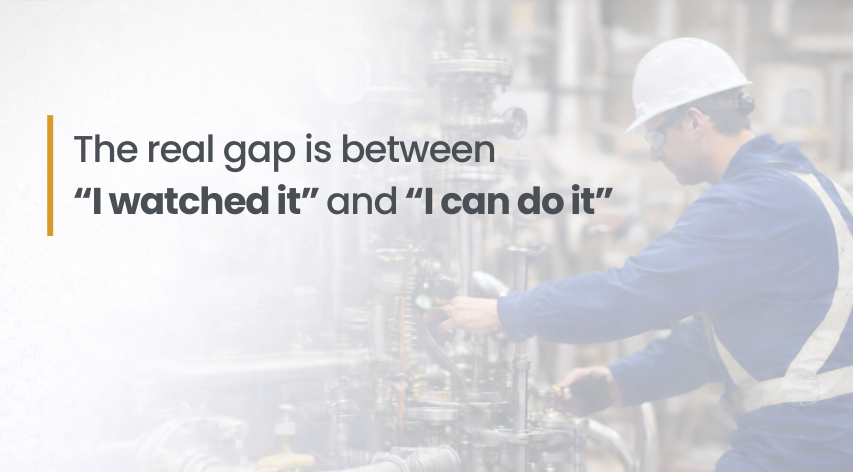
The part on-demand training struggles with most is getting you from “I watched it” to “I can do it.”
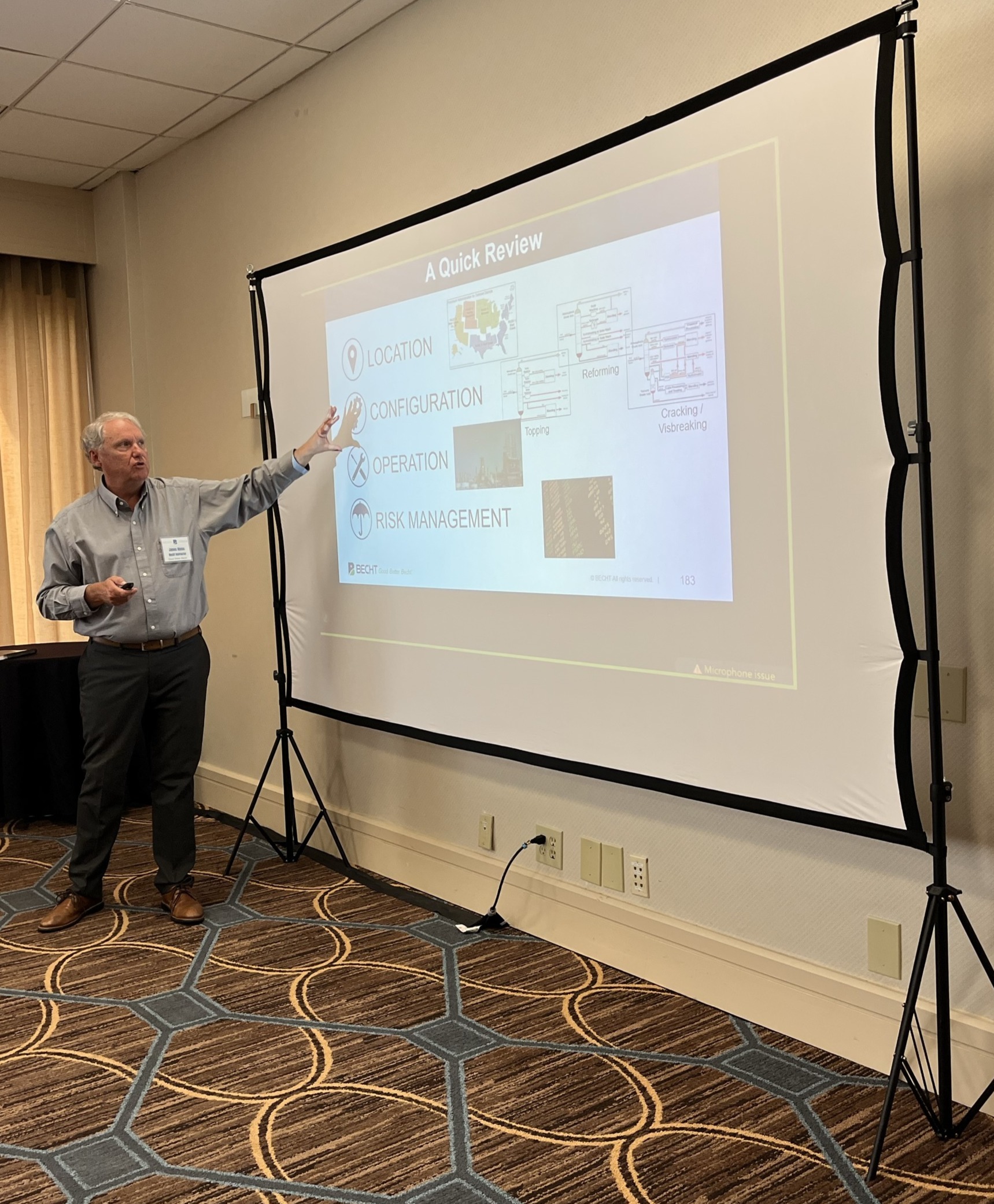
On-demand is great for fundamentals and refreshers. But live training starts to matter more when the work looks like real engineering work. Engineers need information, but they also need to know what to do with it.
A large research review in STEM education looked across 225 studies comparing traditional lecture vs. more active approaches and found better performance and lower failure rates when learners were actively engaged.
That matters because “active learning” is basically what good live training forces people to do: think, apply, explain, and get feedback.
What live training provides that on-demand learning can’t
The value of live training is often the stuff that wasn’t on the agenda. There’s a kind of learning that only happens when people are in the same place, physically or mentally, at the same time. Live learning creates this “unplanned value,” especially in technical rooms. It looks like:
- The question that unlocks the whole topic: “This makes sense in theory, but what changes in our operating window?”
- The moment the room surfaces the real failure modes: “Where do people usually get burned on assumptions, inputs, or data quality?”
- The detour that prevents months of confusion later: “What does the code say, and what do people actually do in practice?”
- The peer comparison that builds better judgment: “How are other sites handling this scenario, and what tradeoffs are they accepting?”
- The instructor teaching the thinking along with the answer: what they check first and rule out fast – not to mention what signals they trust
All of this is what makes training feel less like content delivery and more like skill-building with a support system.
Live training is more effective for application and judgment
Active learning works (and it’s not subtle). This matters for engineering because a lot of what gets done involves making decisions under constraints.
It’s the difference between knowing a concept and actually being able to use it on the job. You can memorize what water hammer is, watch a PSV sizing walkthrough, or learn corrosion mechanisms in theory, but real learning happens when you work through scenarios and test assumptions. That’s where you start to connect concepts to operations and inspection strategy, and where you walk away knowing what to do when it shows up in your unit.
Peer learning improves engineering judgment
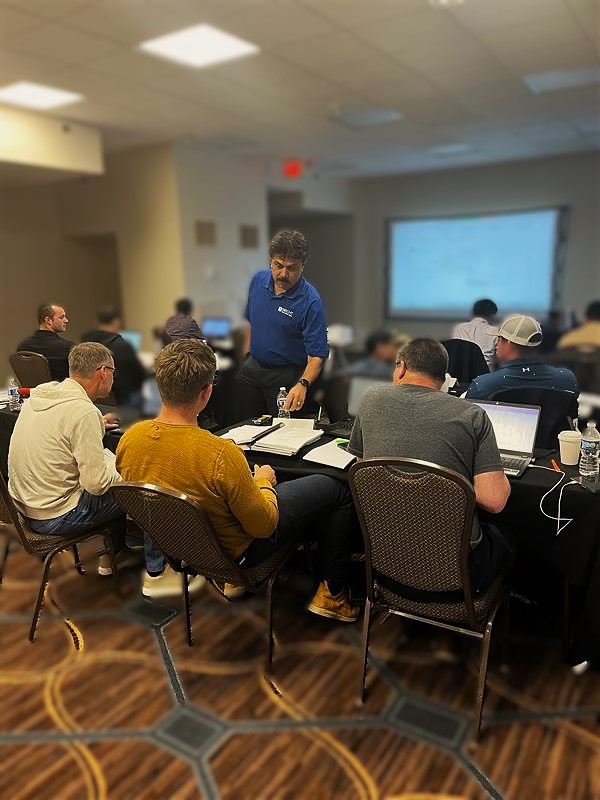
Peer discussion is a learning tool. There’s also strong that Peer Instruction (the “think, vote, discuss, revote” style of learning) improves learning gains compared to traditional teaching.
If you’ve ever been in a room where the class solved the same problem in two totally different ways, that’s the moment where your brain says, “Oh. There are multiple correct paths, and I need to understand the tradeoffs.”
Engineering is full of multiple correct answers, and peer discussion is basically a cheat code for that.
Screen fatigue is changing how people engage with training
Here’s another “elephant in the room”: screen fatigue is real. We’re all trying to be good sports about remote work and virtual everything, but our brains have limits.
Researchers developed and validated a , identifying multiple dimensions of fatigue and documenting how common this is for people in heavy video-meeting rhythms.
So, when someone says, “I can’t do another screen session,” we don’t hear laziness. We hear that their cognitive bandwidth is maxed out.
This is one reason live learning is having a moment again, especially for deeper, more interactive topics.
What effective live technical training looks like in practice
We work in training, literally every day, so we get a front-row seat to what people actually value when they choose live learning.
At Becht, live technical training works best when it feels less like a lecture and more like a working session with real expertise in the room. That usually comes down to a few factors:
- The instructors are deeply connected to real work. They know the theory, sure, but they also know what happens when constraints show up: time, budget, equipment reality, human reality.
- The class turns into a temporary peer network. People trade war stories, sanity-check decisions, and realize they’re not the only ones dealing with that one recurring issue.
- We make space for the off-topic questions that are secretly the main topic. The sidebar conversations often surface the most useful patterns: “We keep seeing this failure mode – anyone else?”; “Our site does it differently – why?”; “What would you do if you had to pick between these two imperfect options?”
- Support doesn’t necessarily end when the session ends. Good live training creates a path for follow-up: resources, references, and the confidence to keep asking better questions back on the job.
None of this is accidental. Live training done well is deliberately designed to encourage interaction, practice, and feedback in the best way.
Live training vs. on-demand training: How to choose the right format
There’s no single “best” training format. Different formats support different types of learning, and choosing between live and on-demand training depends on what you’re trying to accomplish and how much context the work requires.
Here’s our practical take:
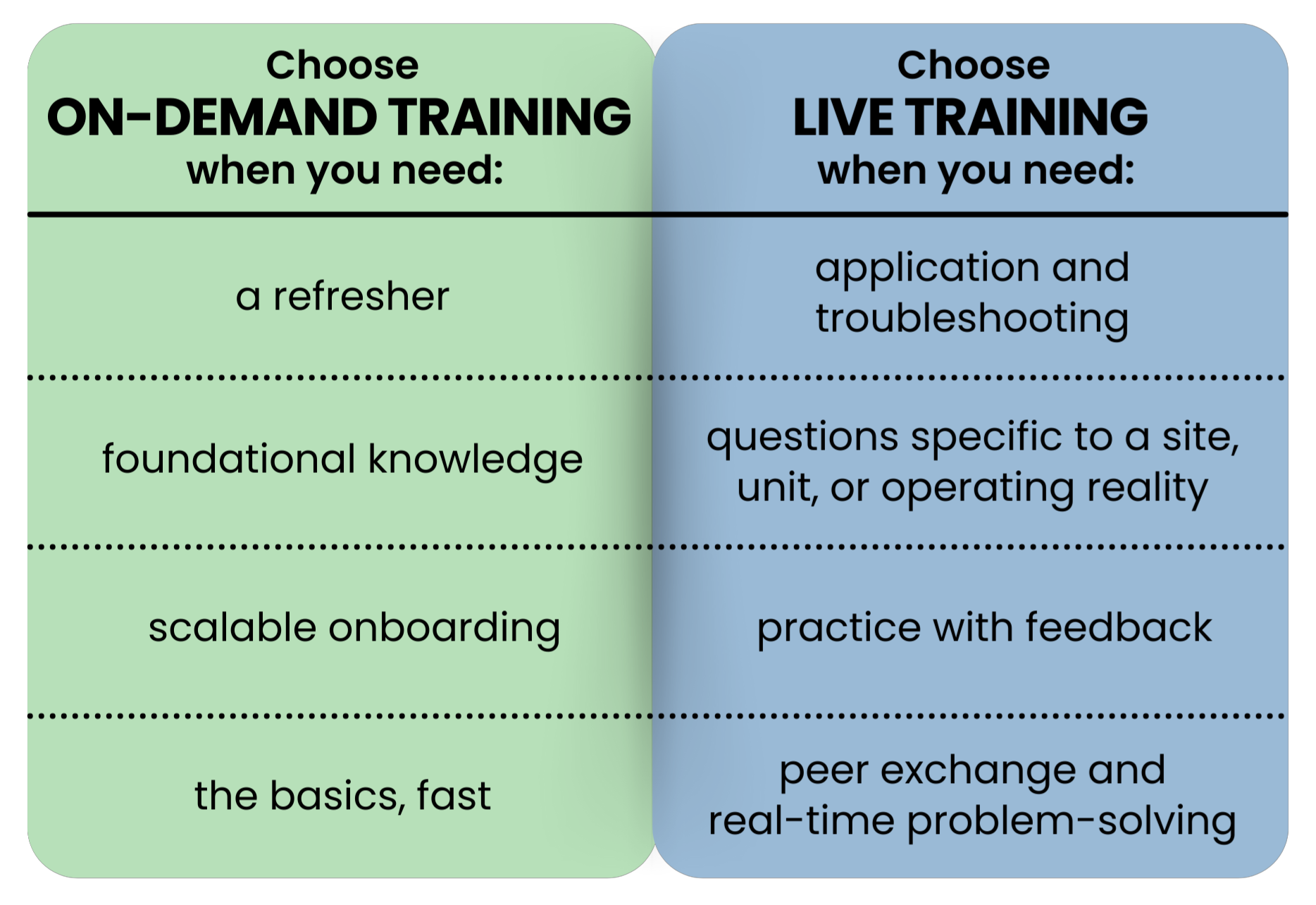
And if you can swing it, blend them. On-demand for the basics. Live training for the “okay, now let’s use this in real life” part.
Why we’re still betting on humans for technical training
On-demand learning is the fast food of training in the best way: convenient, consistent, always available. Meanwhile, live training is the sit-down meal: slower, more effort, more human, and for the right topic, it sticks with you longer.
In a world obsessed with speed, live learning is one of the few places we still make time for depth. And that’s a quiet competitive advantage.
If live training sounds like the right fit for your team, you can browse Becht’s upcoming sessions or contact us for additional guidance.

Like what you just read? Join our email list for more expert insights and industry updates.